
Blog
Tips for Keeping Your Eyes Healthy
Feb
Tips for Keeping Your Eyes Healthy
Maintaining healthy eyes is essential for preserving vision quality and overall well-being. Our eyes endure constant strain from digital devices, environmental factors, and lifestyle habits. Through careful attention to eye care routines, dietary choices, and preventive practices, we can significantly enhance eye health and reduce the risk of ocular diseases. Here, we provide a detailed guide with actionable steps for keeping your eyes healthy.

1. Keeping Your Eyes Healthy Through a Nutrient-Rich Diet
Proper nutrition plays a pivotal role in keeping your eyes healthy and preventing conditions like macular degeneration, cataracts, and dry eye syndrome. Including foods rich in vitamins A, C, E, and zinc strengthens retinal health and improves visual function.
- Vitamin A: Found in carrots, sweet potatoes, and leafy greens, it supports retinal integrity and low-light vision.
- Vitamin C and E are powerful antioxidants that protect the eyes from oxidative stress. Sources include citrus fruits, bell peppers, almonds, and sunflower seeds.
- Zinc supports retina health and slows the progression of age-related macular degeneration (AMD). Found in oysters, lean meats, and pumpkin seeds.
- Omega-3 fatty acids, present in salmon, mackerel, and flaxseeds, help prevent dry eyes and support retinal function.
2. Reducing Digital Strain for Keeping Your Eyes Healthy
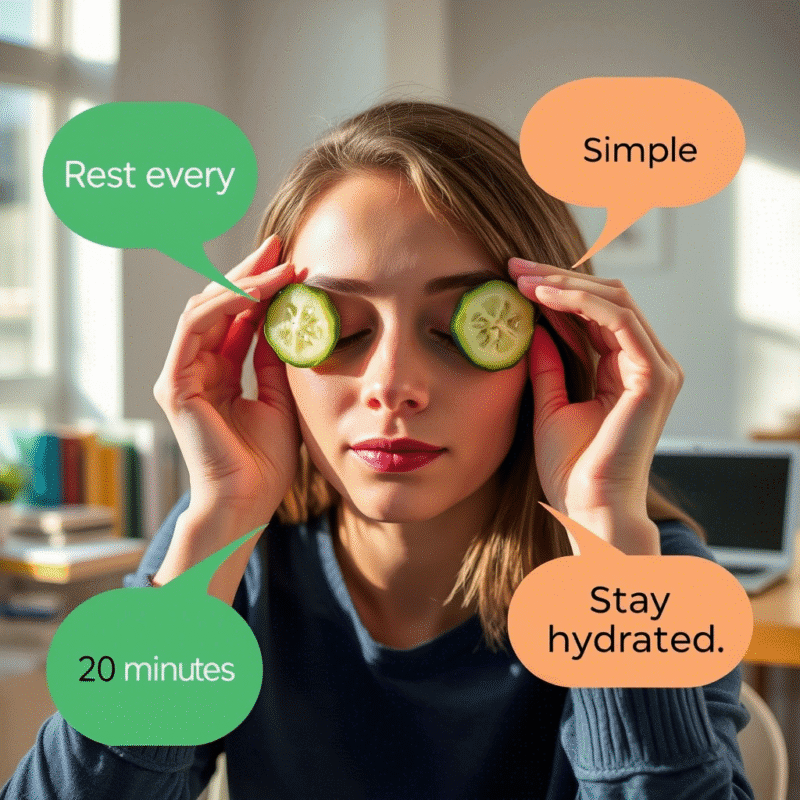
Extended screen exposure is a leading cause of digital eye strain, which can result in blurred vision, headaches, and dry eyes. To keep your eyes healthy, apply the 20-20-20 rule:
- Every 20 minutes, look at an object 20 feet away for 20 seconds.
- Adjust screen brightness and contrast to reduce glare.
- Maintain a proper screen distance of about 20–24 inches from your eyes.
3. Keeping Your Eyes Healthy With Regular Eyes Exams
Regular eye examinations are essential for keeping your eyes healthy and detecting diseases early. Exams include visual acuity, intraocular pressure, and retinal checks.
- Adults should have exams every 1–2 years, or annually if conditions like diabetes or glaucoma exist.
- Children require checkups every 12 months to detect lazy eye, strabismus, or refractive errors.
- Opt for optometrists or ophthalmologists capable of advanced retinal imaging.
4. Protecting Your Eyes from UV Rays
Exposure to ultraviolet (UV) light accelerates cataracts and contributes to macular degeneration. For keeping your eyes healthy, always:
- Wear UV-blocking sunglasses with 100% UVA and UVB protection.
- Use wide-brimmed hats outdoors to reduce direct sunlight.
- Consider photochromic lenses for daily protection.
5. Practicing Eye Hygiene for Optimal Health
Maintaining proper eye hygiene prevents infections and irritation, essential for keeping your eyes healthy:
- Avoid rubbing your eyes, which transfers bacteria and allergens.
- Wash hands before touching or inserting contact lenses.
- Remove eye makeup before sleep and use hypoallergenic products.
- Clean glasses and sunglasses regularly.
6. Hydration and Blinking to Keep Eyes Healthy
Adequate hydration is vital for tear production, preventing dry eye syndrome:
- Drink 8–10 glasses of water daily.
- Blink frequently during screen use to maintain moisture.
- Use artificial tears if necessary.
7. Eye Exercises and Relaxation Techniques
Exercising the eyes strengthens ocular muscles and supports visual focus flexibility, critical for keeping your eyes healthy:
- Alternate focus between near and distant objects.
- Practice palming to relieve eye tension.
- Rotate eyes in circular motions to prevent stiffness.
8. Minimizing Environmental Risks
Pollution, smoke, and dust can damage the eyes. For keeping your eyes healthy:
- Wear protective eyewear in dusty or windy environments.
- Use air purifiers indoors to reduce allergens.
- Avoid second-hand smoke, a risk factor for cataracts and AMD.
9. Sleep and Eye Recovery
Sleep allows cellular repair and toxin removal in the eyes. For keeping your eyes healthy, follow these steps:
- Aim for 7–9 hours of quality sleep.
- Avoid screens one hour before bedtime.
- Elevate your head slightly to reduce eye puffiness.
10. Managing Chronic Conditions to Protect Eye Health
Conditions like diabetes, hypertension, and autoimmune disorders can harm vision. Effective management is key for keeping your eyes healthy:
- Control blood sugar levels to prevent diabetic retinopathy.
- Maintain healthy blood pressure to protect retinal vessels.
- Treat thyroid or autoimmune conditions under supervision.
Conclusion
Implementing these strategies ensures long-lasting vision health and comfort. Nutritional support, preventive care, proper hygiene, and lifestyle adjustments are critical for keeping your eyes healthy. Committing to these practices allows us to enjoy clarity, comfort, and precision in vision, safeguarding our eyes for a lifetime of optimal sight.