Blog
Eye Hygiene 101: How to Keep Your Eyes Clean and Infection-Free
Why Eye Hygiene Matters
Your eyes are constantly exposed to dust, bacteria, pollution, makeup residue, and screen strain. Even if they feel fine, hidden buildup can affect your comfort and long-term vision.
In this beginner’s guide to eye hygiene, you’ll learn:
- What proper eye hygiene really means
- Common causes of eye irritation and contamination
- Daily habits for clean, healthy eyes
- Natural remedies and medical care options
- When to see an eye doctor
What Is Proper Eye Hygiene?
Clean eyes aren’t just cosmetic — they prevent infections and irritation. Proper eye hygiene ensures your eyes are free from:
- Excess oil along the eyelids
- Dust and airborne particles
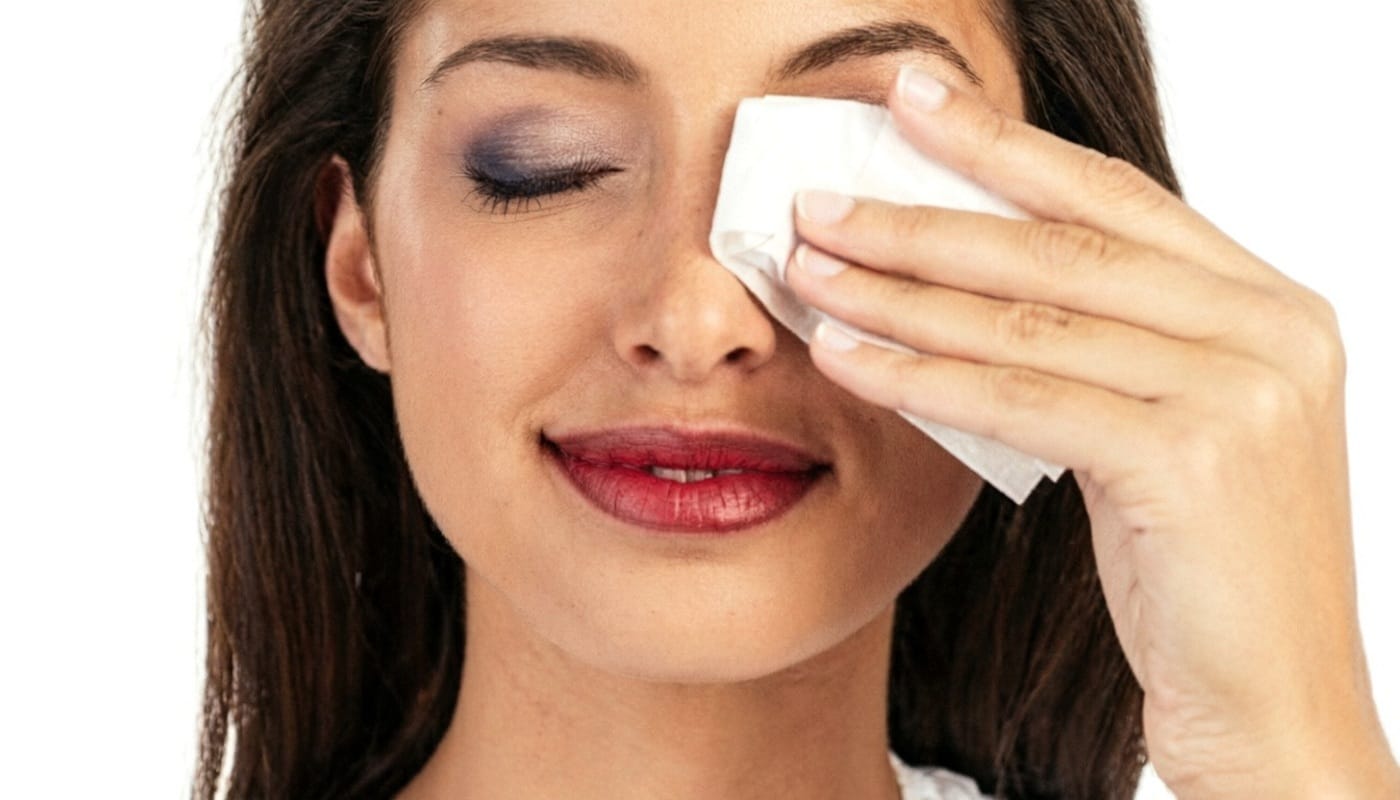
- Makeup residue
- Bacteria from unwashed hands
- Old contact lens deposits
Common Eye Contaminants
Environmental Factors
- Dust and pollen
- Air pollution
- Smoke
Lifestyle Factors
- Long hours on digital screens
- Sleeping with eye makeup
- Frequent rubbing of the eyes
- Improper contact lens hygiene
Signs Your Eyes May Not Be Clean
Watch for these warning signals:
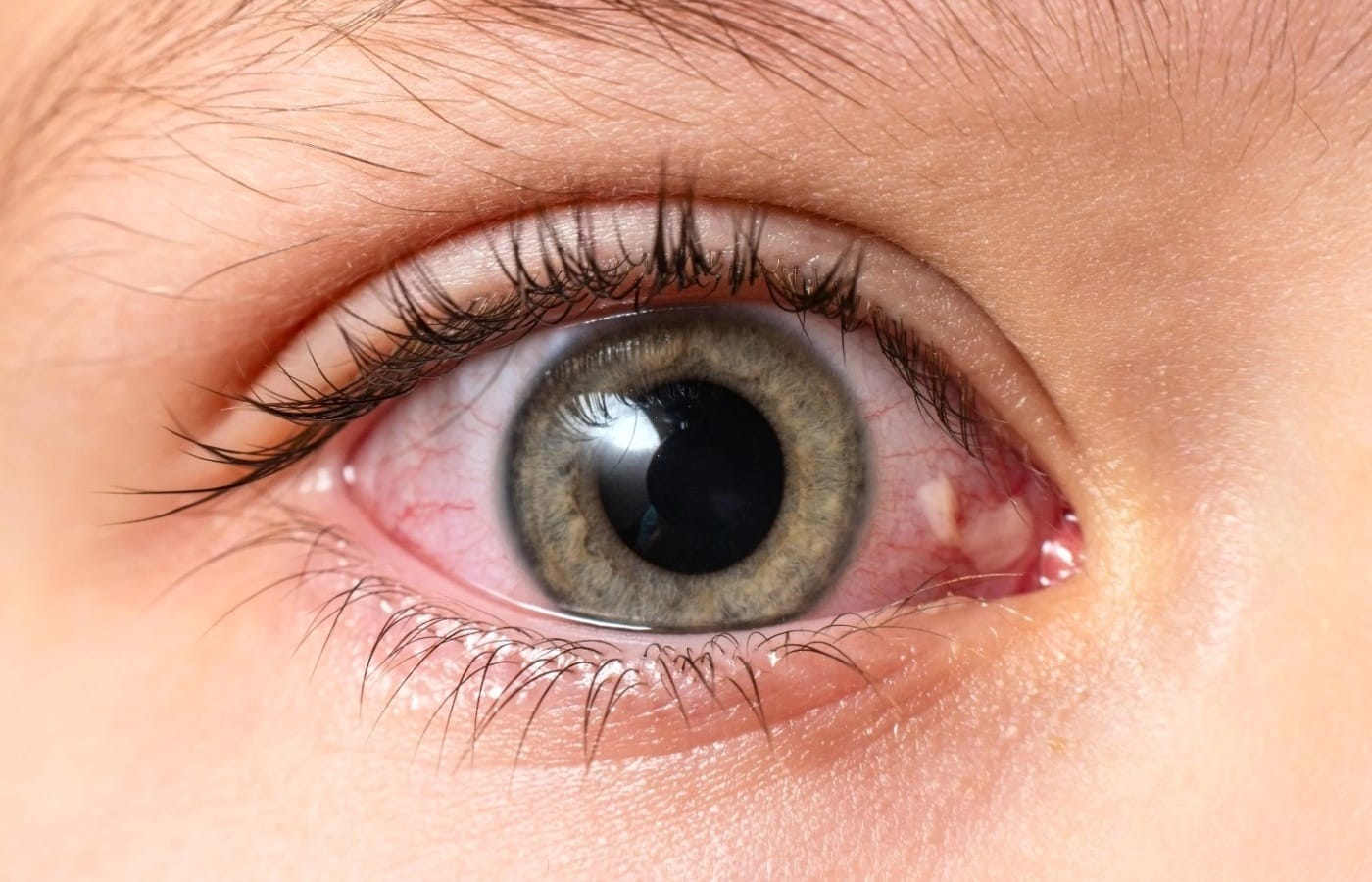
Redness and Itching
Persistent redness or itchiness may indicate irritation or bacterial buildup.
Watery Eyes or Discharge
Excess tearing or sticky discharge shows your eyes are flushing out irritants.
Blurred Vision
Surface debris or inflammation can temporarily blur vision.
Gritty Sensation
Feeling like something is in your eye may indicate dryness or contamination.
Risks of Poor Eye Hygiene
Short-Term Effects
- Dry eyes
- Swollen eyelids
- Mild infections
Long-Term Risks
- Chronic inflammation affecting the cornea
- Increased risk of conjunctivitis, blepharitis, or styes
- Potential vision damage if untreated
Daily Eye Hygiene Tips
Wash Your Face Properly
Use fragrance-free cleansers and focus on eyelid margins, especially if you wear makeup.
Keep Your Hands Away
Always wash your hands before touching your eyes or contact lenses.
Eyelid Hygiene
- Warm compresses to remove oil and debris
- Eyelid wipes for those prone to irritation
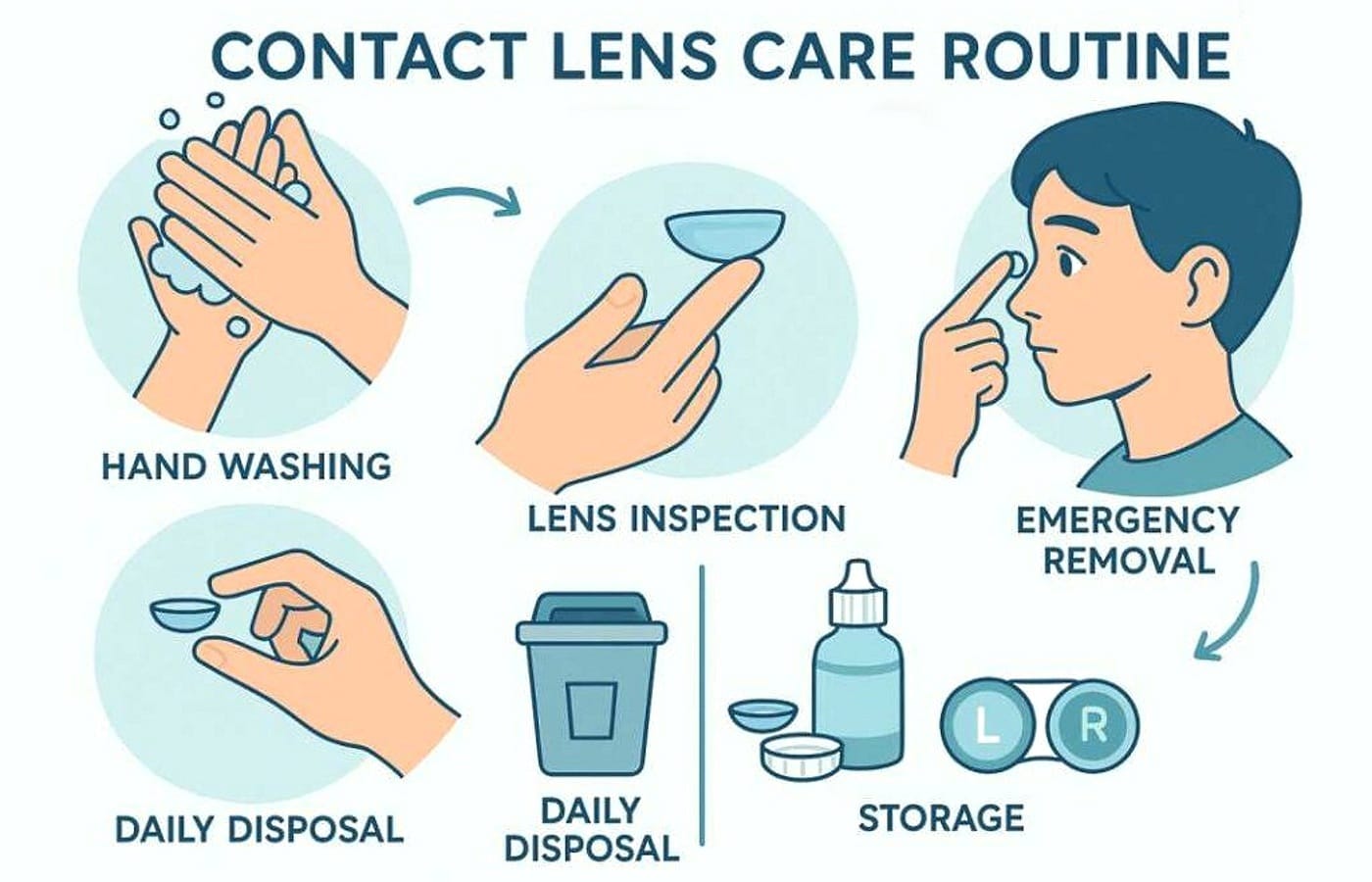
Contact Lens Care
- Wash your hands before handling lenses
- Replace lenses as recommended
- Avoid sleeping in lenses unless approved
- Never top off the old solution
Natural Remedies vs Professional Care
When Natural Remedies Help
- Sterile saline rinses
- Warm compresses
- Omega-3-rich foods like salmon or flaxseeds
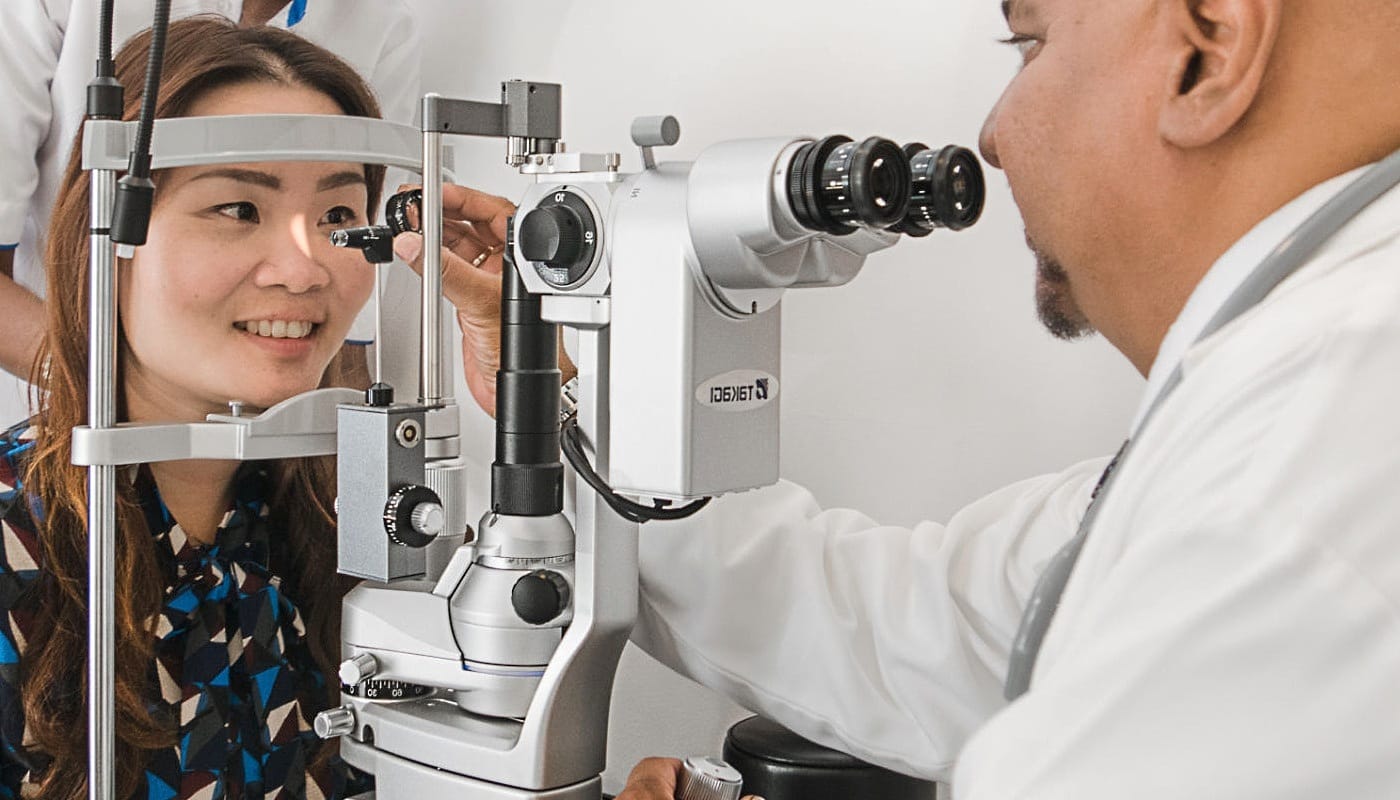
When to See an Eye Doctor
Seek medical attention for:
- Persistent redness or pain
- Light sensitivity
- Sudden floaters or flashes
- Vision changes
Diet and Eye Health
Support healthy eyes with these nutrients:
- Vitamin A: Carrots, sweet potatoes
- Vitamin C: Oranges, bell peppers
- Vitamin E: Nuts, seeds
- Omega-3 fatty acids: Salmon, flaxseeds
- Lutein: Spinach, kale

Best Products for Maintaining Eye Hygiene
- Hypoallergenic makeup removers
- Gentle eyelid cleansers
- Preservative-free artificial tears
Should You Use Eye Drops Daily?
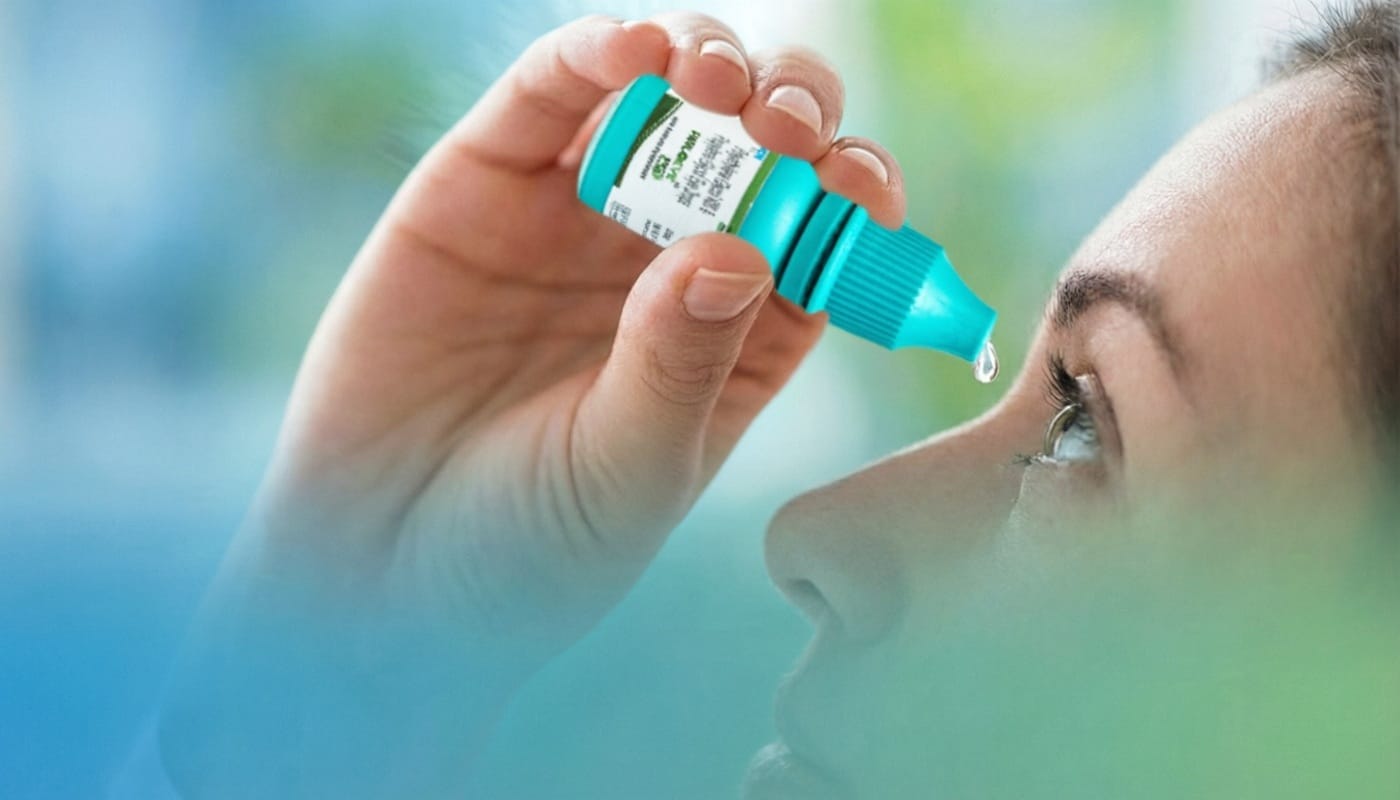
Artificial tears relieve dryness, but choose preservative-free formulas. Avoid whitening or medicated drops for daily use.
FAQs About Eye Hygiene
Q1: Can I clean my eyes with tap water?
Use sterile saline or preservative-free artificial tears. Tap water may contain bacteria.
Q2: How often should I clean my eyelids?
Daily, especially if wearing makeup or contact lenses.
Q3: Is sleeping in contact lenses safe?
Only if the lenses are designed for overnight wear and approved by an eye care professional.
Q4: Can poor eye hygiene cause permanent damage?
Yes. Untreated infections or chronic inflammation can lead to corneal damage and long-term vision issues.
Conclusion
Maintaining clean eyes requires consistent daily habits, proper hygiene, and attention to warning signs. Clean eyes reduce infections, irritation, and protect vision for life.
Start your Eye Hygiene 101 routine today and keep your eyes infection-free!